Wellspring
A 3,000-square-foot Artscape inside Conner Prairie’s Museum Experience Center in Fishers, Indiana
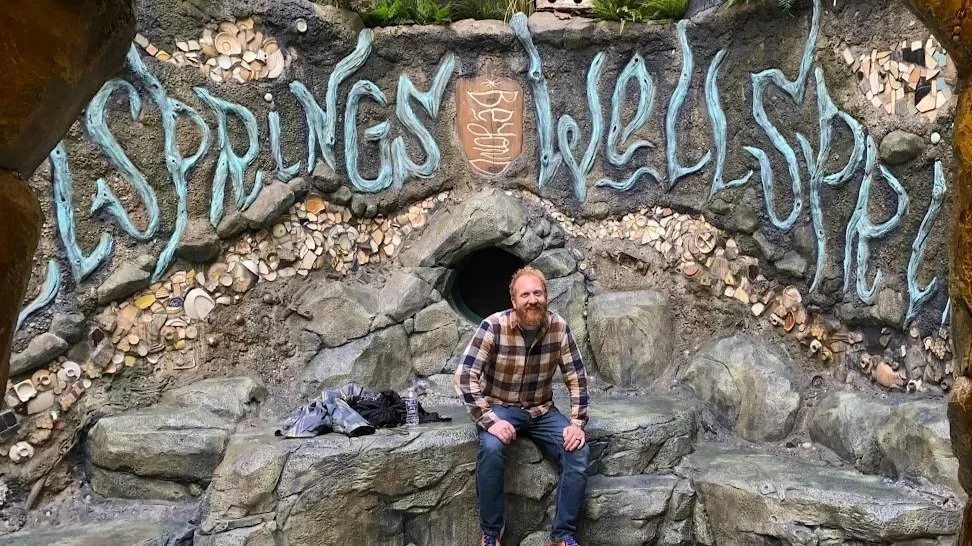
There is a moment, after working head down, for weeks at a time, when you finally take a step back and really see how all that has been created comes together. For Philip Van Drunen, co-creator of Bikeshop Agency, this was the feeling after putting the final touches on Wellspring, his latest Children’s Museum project.
“It was like I finally put my head up and saw how all the parts and pieces that we had been creating these last few years coalesced. It was wild, and it was so good.” Phil said.
What is Wellspring?
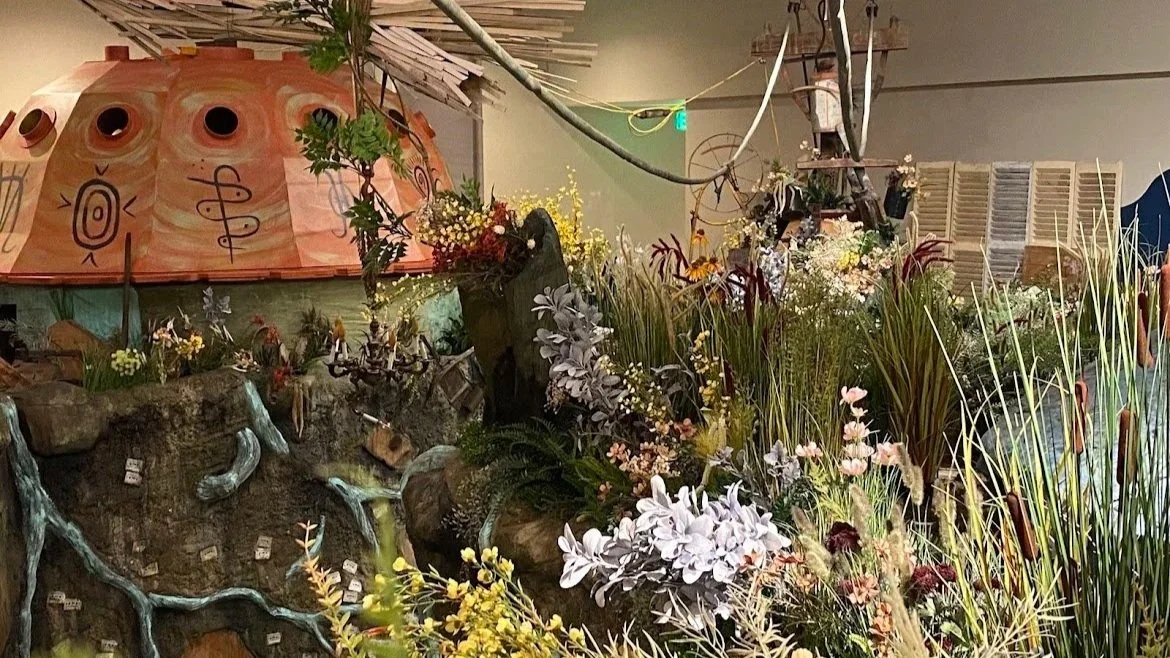
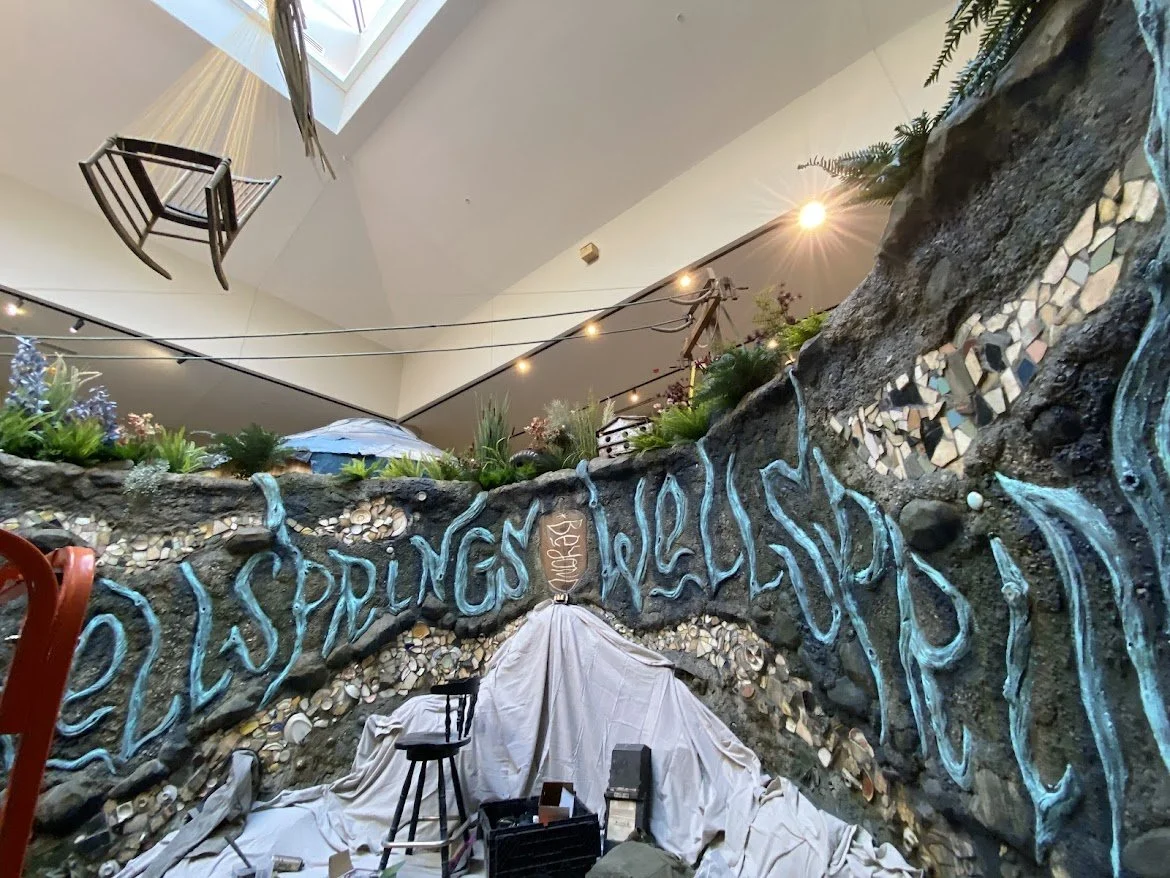
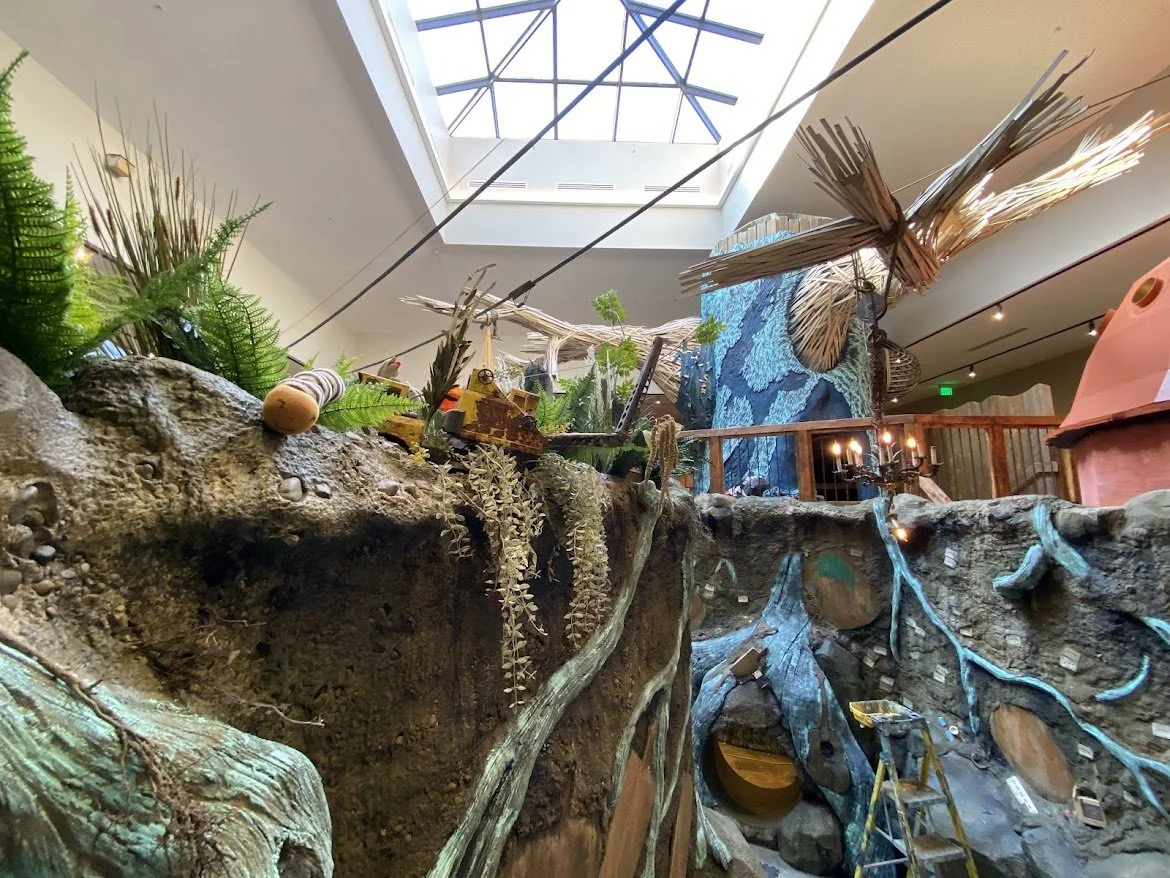
Wellspring is a 3,000-square-foot Artscape inside Conner Prairie’s Museum Experience Center in Fishers, Indiana — the new permanent home for an immersive installation created by artist Wes Bruce in collaboration with Conner Prairie. Wes Bruce and his company, The Curious Life, are well known for their work of installing exhibits that are innovative, imaginative, and filled with all sorts of explorable elements. These aspects of Wes are alive in Wellsping, an exhibit filled with so much mythology, life, and magic. To make Wellspring the best it could be, Wes brought together a team of creators to shape the world he was imagining. That’s where Bikeshop Agency came in.
Who is Bikeshop Agency?
Bikeshop Agency designs, builds, and installs the custom tech in children’s museums. From the New Children’s Museum in downtown San Diego to the Children’s Museum of Denver, Bikeshop Agency has helped bring a variety of concepts to life. Out of all of these exhibits, however, Wellspring was one of the largest and most unique. For exhibits, especially ones of this magnitude, there were a variety of aspects that needed to be considered and prepared for.
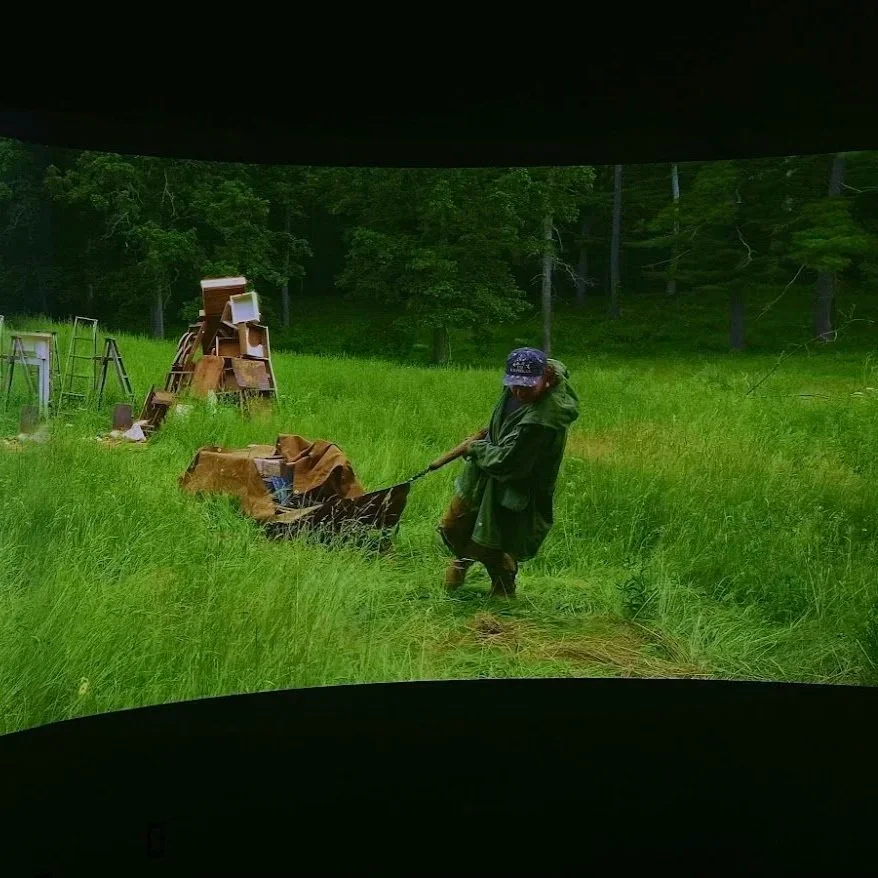
“The Wellspring project was very intense from the standpoint of the timing for the music and the film.” Phil said, looking back on the exhibit. One of the aspects that made Wellspring so unique was the collation of the music. Every room in the exhibit had the same soundtrack with different aspects of the music brought to the forefront. In one room it would be quiet with a focus on the natural elements of the score. In another, the music would be loud and reflective of the environment. The key was to be sure that each room was in sync and that the music would blend seamlessly as you walked from one space to another.
“This would ensure there was no dissonance if you were able to hear the soundtrack from one space bleeding into another.” said Phil.
Another aspect of the Wellspring project they had to contend with was the constantly evolving nature of the artist’s vision. For every planned piece of technology there were discoveries, challenges or revelations that could make it even better. That meant that Bikeshop Agency had to be flexible with the planned technology as it was deployed. Additionally, Wellspring had an approaching deadline that needed to be kept in mind. It is alongside challenges like these that Bikeshop Agency had to consider their own principles as well.
Bikeshop Agency has a vast amount of experience building tech for people and out of that has formed a set of principals that apply to all aspects of the technology within the exhibit. They crafted a philosophy that made it so each installation was getting the best tech possible, not just for the exhibit itself but for the people who would have to preserve it. This philosophy guided the development of each component within the Wellsprings exhibit.
Bikeshop Agency’s Philosophy
“When making technology for installations, it’s our job to keep in mind that this technology will be maintained by museum staff.” Phil said about Bikeshop Agency’s philosophy. While exhibit managers have a variety of skills, they are not software or audio video experts. As such, it’s the job of Bikeshop agency to make tech that is easy to understand and fix. Museums like Conner Prairie don’t want to pay a third party to repair every little issue that arises, they want durable tech that can be fixed with clear instructions. That is why we have to be sure that every piece of tech we make, no matter how complicated, is relatively easy to understand, operate and repair.
These constraints are what led Bikeshop Agency to create their philosophy. Technology should be intuitive, robust, and repairable, and their ideology ensures that. It is the key to making an installation that is impressive on opening day and every day after that.
Intuitive
When making technology for museum exhibits, the end goal is not just an advanced piece of tech that does its job, the target is to make technology that can be used by everyday museum staff. No matter how sophisticated an exhibit is, if it can't be maintained by exhibit staff then it is only a matter of time until it’s irreparable. It's unreasonable for museum staff to understand the contents of a 200 page manual, and it's expensive to hire a contracted technician.
One of the ways they do this is by using an open-sourced automation software called Home Assistant. It runs on an inexpensive solid-state computer and is a powerful one-stop shop for controlling all of the technology they install. “We use Home Assistant for automation because it’s inexpensive, easy to operate, easy to fix, and easy to find support for should any problems arise. Essentially, it is the perfect representation of the intuitiveness we strive for.”
Robust
Children's Museums are home to visitors who are short, curious, and willing to push every button, repeatedly, to see what happens. This means that every piece of tech put in these spaces must be made so they are able to survive this intense environment. To ensure the tech can survive these exhibits, Bikeshop Agency seeks out tech that is durable but inexpensive to replace should the need ever arise.
An example of this approach is in the tech behind the Coyote Den at Wellspring. From the video player in the rack, the signal travels nearly 200 feet to the den over two ordinary Ethernet cables — four audio and four video signals, using inexpensive adapters and easy-to-swap RCA cables. This kind of technology can survive decades without compromising on quality.
Repairable
Finally, when the inevitable does happen and a problem occurs, Bikeshop Agency makes technology that is easy to repair.
There are many other museum designers that fail in regard to this principle. “I’ve walked into too many installations where the AV is a black box: a beautiful, expensive, integrated system that nobody on staff can troubleshoot. The original integrator is long gone, the documentation is lost or non-existent, and when something breaks, the operations team has two choices: live with the broken exhibit, or pay for an expensive emergency service visit. Oftentimes, they live with the exhibit in its degraded state.” said Phil.
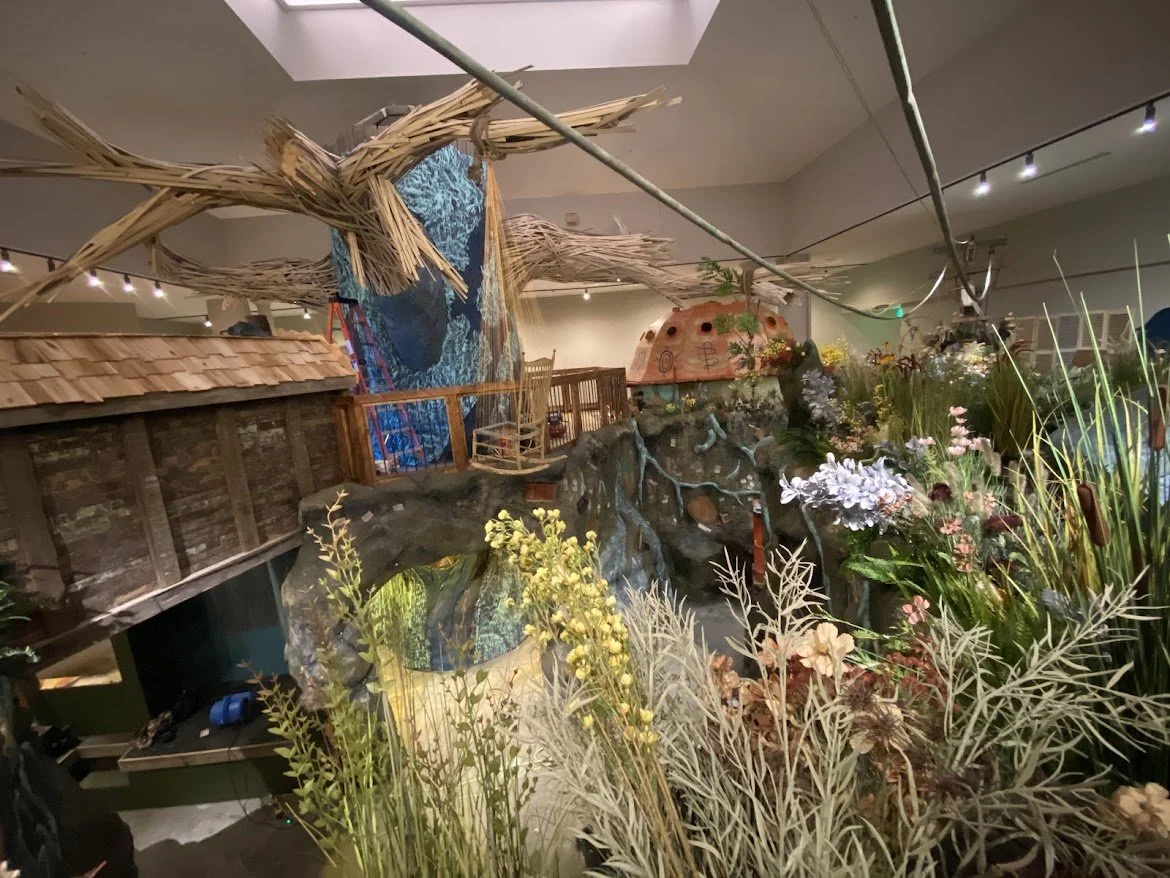
That’s why they make it their priority to use gear with an easy-to-access service manual, a known repair path, and a parts ecosystem that will outlast the install. Examples of this philosophy are all over Wellspring. The amplifiers are middle-of-the-road by design: a Yamaha home-theater receiver for the film-room, 70-volt mono zones for “riverbank” and “cave,” and a stereo amp for the covered bridge. All of these are easy to diagnose, repair or replace inexpensively by exhibit maintenance staff.
There is no scenario in which Conner Prairie is held hostage to a single vendor’s continued willingness to support an aging product.
The Rooms
At Wellspring there are a variety of rooms that were given the Bikeshop Agency touch. Each one shows the ways that Bikeshop Agency’s philosophy came to life.
Film Room
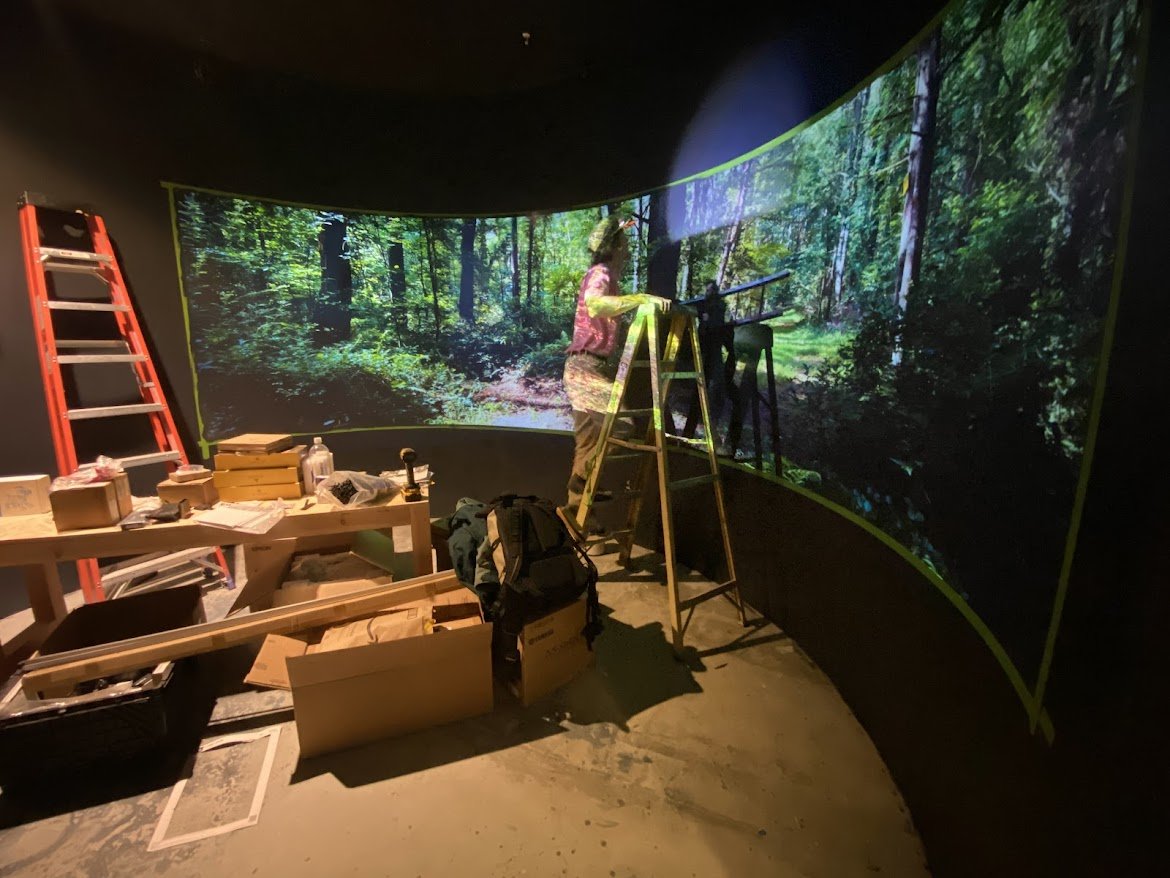
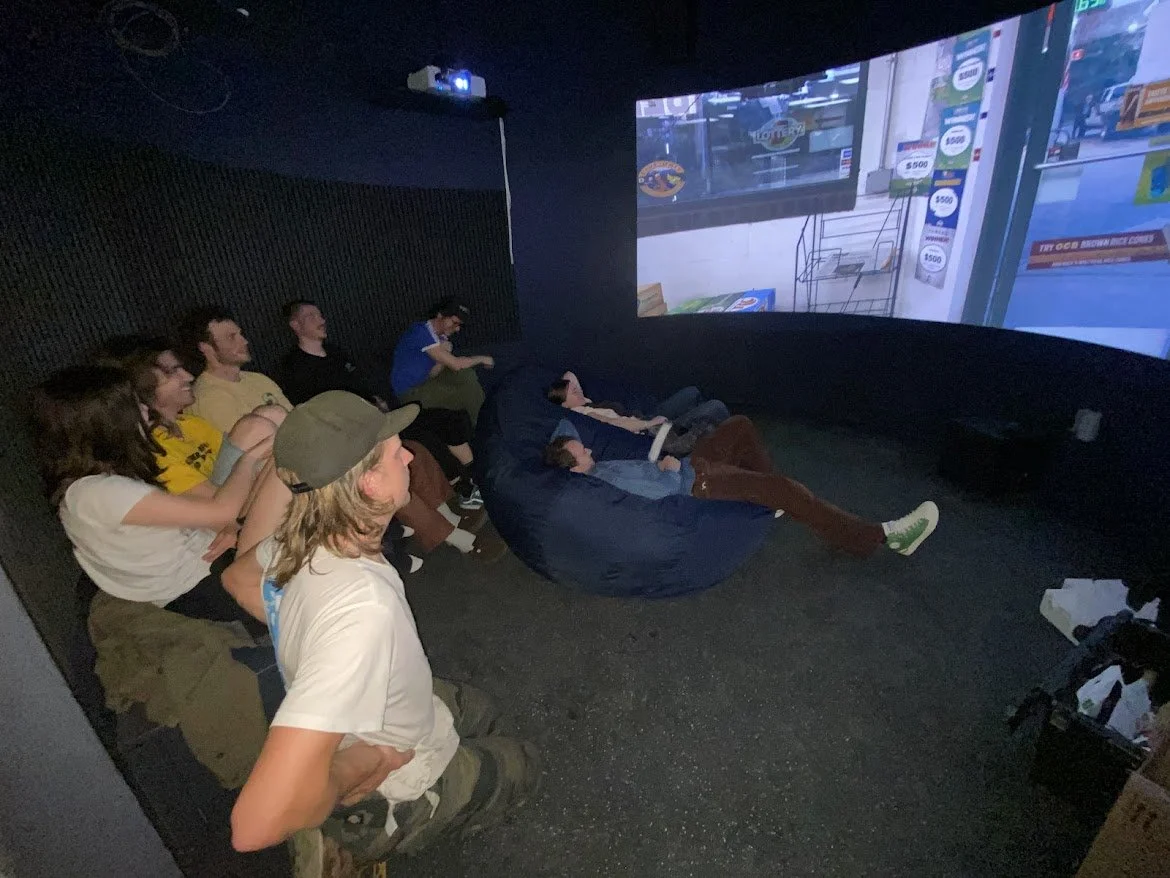
The Film Room is round, with a 26-foot-wide, 32:10 aspect ratio film at 8K, using three projectors blended into a single seamless image. In a space that could easily have run $10,000-plus projectors, Bikeshop Agency used three sub-$4,000 4K-enhanced laser units with built-in geometry correction, blended into the 8K image. This creates clarity and a projection made for longevity.
Breath Room and Mud Murk
Both of these rooms are filled with a variety of tech that give off an aura of magic and spectacle.
The Breath Room is a round, dark space organized around a single sensation: a slow inhale and exhale you experience as both light and immersive sound. Four concentric rings of full-RGB LED pixels overhead rise and fall in that slow, deliberate breath.
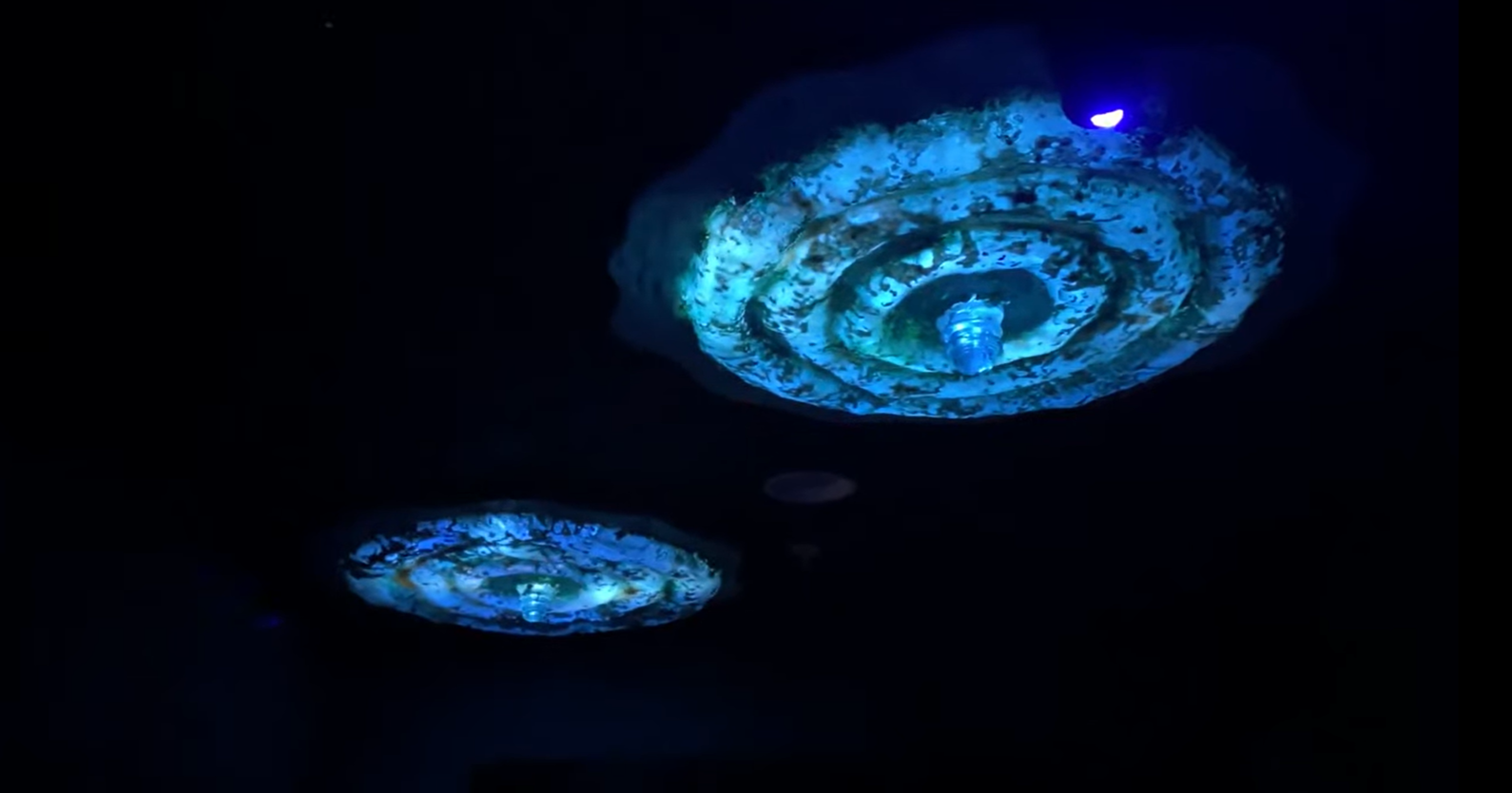
Adjacent is the Mud Murk, lit by five fixtures Bikeshop Agency built by hand. Making use of fiberglass covers designed by Wes Bruce, real telephone-pole insulators, and three concentric circles of individually-addressable 5V LEDs around a single bright center pixel, this room creates a mesmerizing effect of water-esqe skylights.
Bridge
A tiny covered bridge with a low, curved ceiling. Kids walk through it. Adults crawl through it. Stereo speakers are embedded in the curved ceiling and play sounds of nature that surround visitors.
Control Room
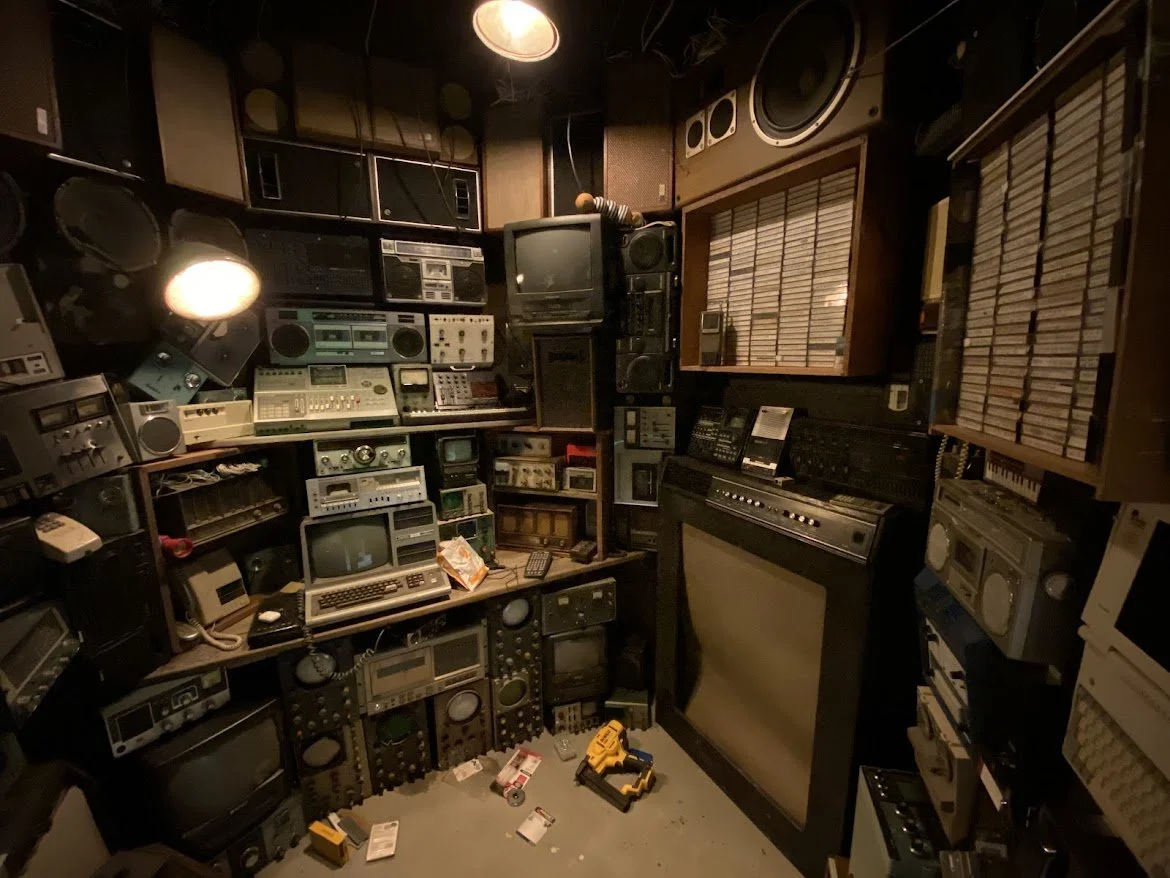
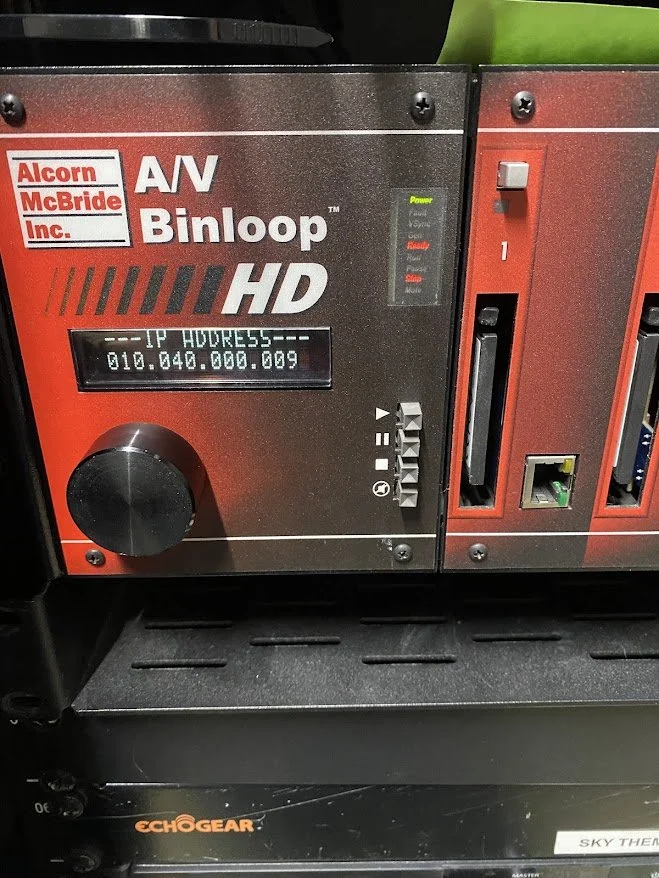
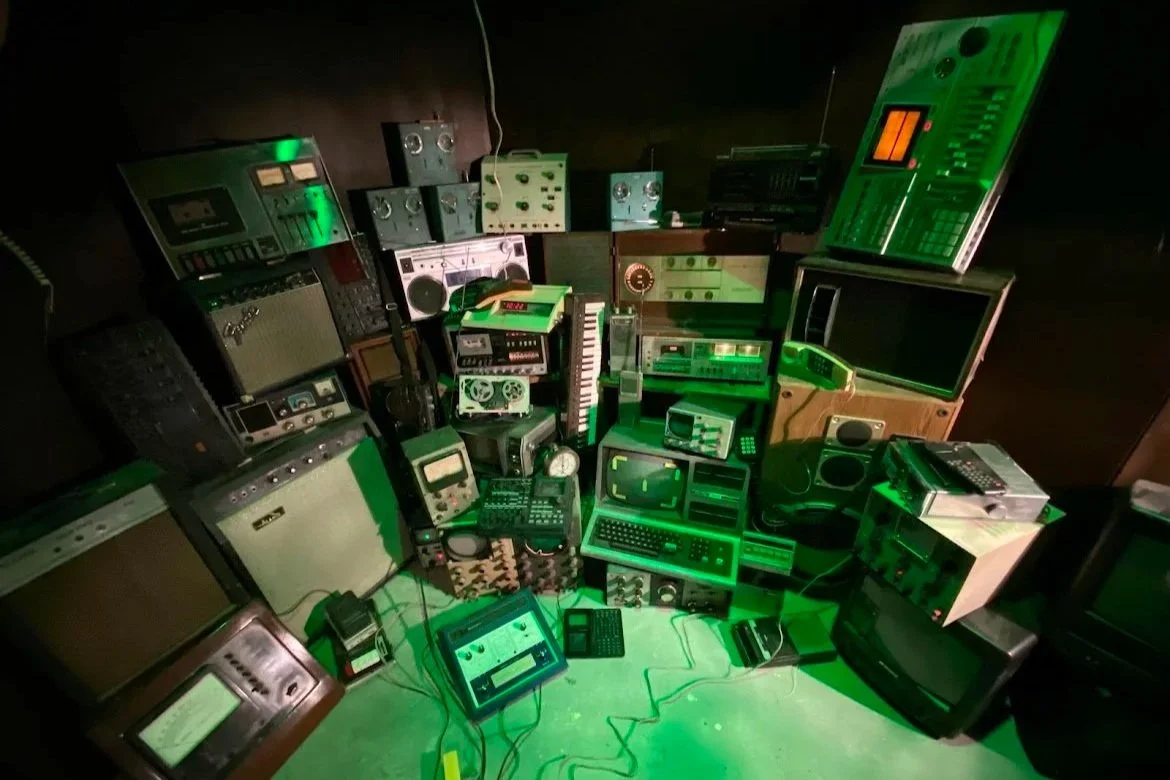
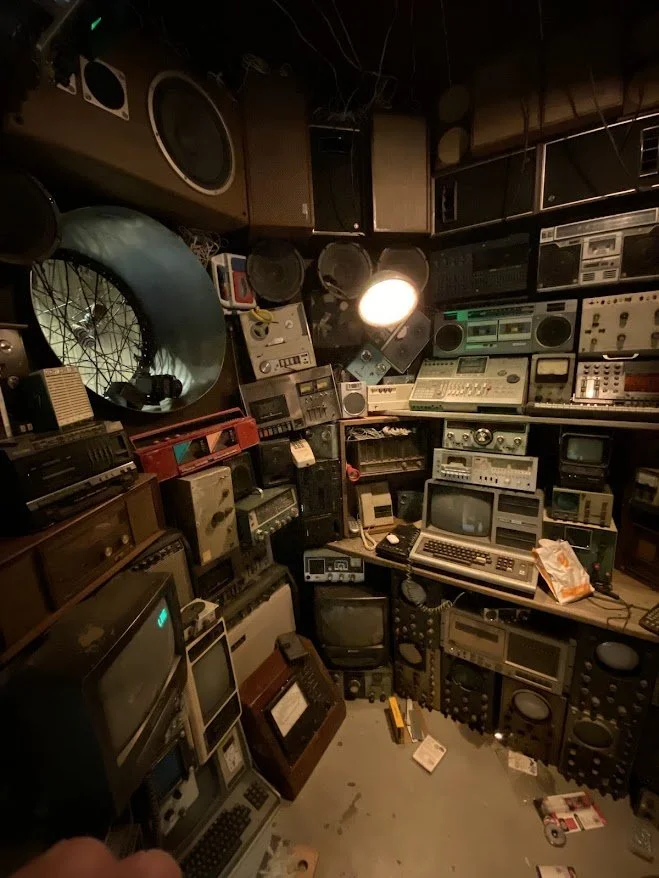
The rack inside the IDF carries all of the controls and playback for Wellspring: the Automation controls, the LED Advatek pixel controller, the BrightSign Player for the Film Room, the Binloop, the amps and the network gear. The whole exhibit’s score, one hour long, written from scratch for Wellspring, plays out across four synchronized audio zones from this rack. Move from the Covered Bridge to the Breath Room to the Coyote Den, and the music is still locked in time with everywhere else in the exhibit.
Closing
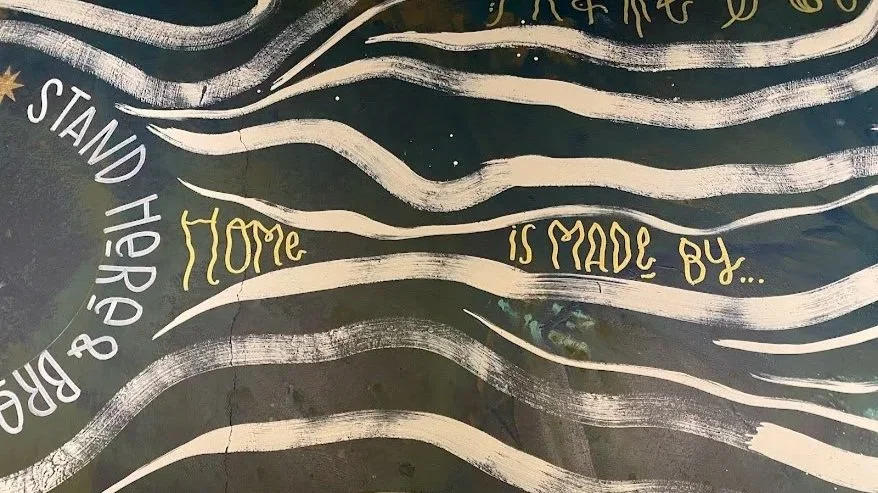
Bikeshop is honored to have the continued opportunity to breathe life into these incredible worlds present in Children’s Museums. Wellspring was a particularly wonderful exhibit to help bring the magic in it to life.
There’s a tension at the heart of any project like Wellspring. The artists want maximum expression. The institution wants minimum maintenance. The temptation is to pick the most premium piece of gear, the most sophisticated control protocol, the most polished signal chain.
But we’ve been doing this long enough to know what the expensive brand-name option looks like in year seven. It looks like a beautiful proprietary touchscreen with a dead software license. It looks like an exhibit that’s slowly going dark, one component at a time, because every repair requires a five-figure service contract that the operations budget can no longer absorb.
Not because anyone made a malicious decision, but because the consultant on the project optimized for the wrong horizon.
The middle ground is harder to find. It looks less impressive on paper. The Raspberry Pi line item next to the Crestron line item reads like the cheap choice — but in year seven, the Pi is still running and the Crestron has been end-of-lifed by its manufacturer. Eighteen-dollar video adapters look like a corner being cut — but in year ten, they’re still in stock, and they can be swapped in a few minutes.
The right question isn’t “what’s the most impressive system we can install?” but “what’s the system this museum can still operate proudly in 2036? And what’s a system that can grow, stretch and integrate into the future.